Comparing Costs: Memory Care vs Assisted Living for Elders with Cognitive Requirements
Business Name: BeeHive Homes of Levelland
Address: 140 County Rd, Levelland, TX 79336
Phone: (806) 452-5883
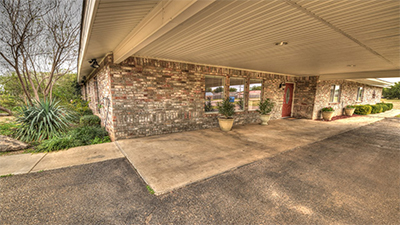
BeeHive Homes of Levelland
Beehive Homes of Levelland assisted living care is ideal for those who value their independence but require help with some of the activities of daily living. Residents enjoy 24-hour support, private bedrooms with baths, medication monitoring, home-cooked meals, housekeeping and laundry services, social activities and outings, and daily physical and mental exercise opportunities. Beehive Homes memory care services accommodates the growing number of seniors affected by memory loss and dementia. Beehive Homes offers respite (short-term) care for your loved one should the need arise. Whether help is needed after a surgery or illness, for vacation coverage, or just a break from the routine, respite care provides you peace of mind for any length of stay.
140 County Rd, Levelland, TX 79336
Business Hours
Families do not contrast shop for senior care in a vacuum. They are often doing it after a scare, or at the end of a long stretch of unpaid caregiving. The seriousness is real, but the prices is opaque. Memory care and assisted living look comparable from the outdoors, yet they are developed and staffed in a different way, and that difference shows up on the bill. The ideal setting can stabilize a person who is decreasing from dementia. The wrong fit can drain pipes cost savings without resolving the issue that triggered the move.
I have visited numerous neighborhoods with families, worked out rates, combed through service plans, and viewed seniors do better or even worse depending on the match. Costs differ commonly by market and provider, but the patterns correspond adequate to build a working model. The goal here is not to crown a winner. It is to help you understand what you are paying for, when the premium for memory care makes good sense, and how to expect the real regular monthly cost once all line items are added.
What you are comparing, really
Assisted living and memory care often share a roofing system, a kitchen, and an activities director. Underneath, they run 2 different operating models.
Assisted living is developed for older adults who need aid with activities of daily living like bathing, dressing, and medication suggestions, however who can follow directions, make standard choices, and remain reasonably safe with intermittent supervision. Care is arranged and foreseeable. Cueing works.
Memory care is developed around cognitive problems, specifically Alzheimer's and associated dementias. It includes safe perimeters, modified environments and dining, more regular personnel contact, trained dementia care techniques, and programs that reduces distress habits. Care is anticipatory and regular. Cueing may not work, so staff intervene earlier and more often.
That shift from periodic assistance to continuous supervision drives staffing expenses, and staffing is the biggest cost in any care setting. The price space flows from there.
Typical monthly price tags, with truthful ranges
National datasets put assisted living month-to-month means in the $4,000 to $6,000 range, with huge city markets and seaside states pressing greater. In the same markets, memory care usually runs 20 to 40 percent more, frequently landing in between $5,000 and $9,000 per month. In high-cost metros, I regularly see assisted living beginning around $6,000 to $7,500, and memory care from $7,500 to $11,000. In smaller sized Midwestern towns, it is not uncommon to discover assisted living around $3,800 to $4,800 and memory care from $5,000 to $6,500.
These are base rates. The final expense is built on top of them, and this is where households get shocked. The majority of neighborhoods price quote a starting apartment or condo rate that includes rent, meals, basic housekeeping, and energies. Then they layer on care charges that depend on an evaluation. Memory care typically packages more into its base to simplify billing, but not always.
What produces the gap
Memory care expenses more due to the fact that it delivers a various level of control and guidance. Here is what typically drives the premium, beyond marketing language.
-
Staffing intensity. In assisted living, daytime staffing frequently looks like one caretaker for 12 to 18 citizens, with med techs and nurses floating. Over night ratios extend even more. In memory care, daytime ratios of one caretaker for 6 to 10 locals are common, in some cases tighter in smaller sized wings, and nights might be 1 to 10 or 1 to 12. Those extra hands appear in payroll.
-
Training and program style. Dementia care staff receive specialized training on de escalation, redirection, and non pharmacologic strategies. Programs set up short, structured activities that match attention spans, with purposeful repeating. That planning time belongs to the operating cost.
-
Environmental controls. Safe doors, wander management systems, enclosed yards, visual cues, minimized glare lighting, and streamlined layout reduce threat and agitation. Building and preserving those features is capital intensive.
-
Dining and medication approaches. Modified menus, high calorie finger foods, hydration rounds, smaller dining rooms, and co dining with personnel lower weight reduction and choking danger. More regular med passes and crushed or liquid kinds increase staff time.
-
Behavior assistance. When exit looking for, sleep inversion, or sundowning exists, care strategies add check ins and interventions that an assisted living wing can not dependably staff.
Providers do not all implement these elements with the exact same rigor. A true memory care home feels different the moment you enter. If it does not, you may be paying a premium for a label instead of a model.
How prices models work under the hood
Communities earn money and cover staffing in numerous methods. Understanding their model helps you anticipate the bill.
A la carte assisted living prices starts with a base lease and adds care levels, frequently connected to a point system. Each job, such as aid with bathing or insulin administration, carries points. The total maps to a level that includes a monthly cost. Medication management is generally a different charge, with rate leaps based upon the number of medications or passes daily. Incontinence care charges can be flat or per episode, and products might be billed separately. You might also see charges for accompanying to meals, transfer help, or additional housekeeping if clutter and spills are frequent.
All inclusive memory care, typical but not universal, covers most daily care into a single rate. Even then, some services sit outside the package, like injections, complex wound care, one to one guidance for high fall risk, or transport to frequent visits. When memory care utilizes levels, the increments in between tiers are typically steeper than in assisted living because staffing changes drive the delta.
Across both settings, anticipate a one time neighborhood fee at relocation in, typically $2,000 to $6,000. Some communities discount rate or waive this for quick move ins or during slow seasons. 2nd person fees for couples can include $800 to $1,500 monthly in assisted living and are less common in memory care, where apartments are typically personal studios. Yearly rent increases of 3 to 8 percent are normal. Request for the historic average at that home, not the company broad talking point.
The ignored expenses at home, and why they matter to the comparison
Families typically determine assisted living against rent and groceries, then decide to wait. A much better comparison includes the worth of overdue caregiving, the cash cost of hired help, and the risks of a home that is no longer safe.
Non medical home care averages $28 to $40 per hour in lots of markets, greater in large cities. Even 12 hours a day of coverage runs $10,000 to $14,000 monthly, and 24 hour protection, if you can staff it, can go beyond $20,000. Add medication setup by a nurse, incontinence supplies, fall sensing units, and a few thousand dollars in home adjustments for grab bars, lighting, and door alarms. For couples, care in the house can make psychological and monetary sense longer, however the mathematics shifts quick when dementia progresses.
I have actually seen spouses try to anchor overnight care by themselves, only to drop off to sleep throughout the vital 1 a.m. To 4 a.m. Window when a partner with sundowning wanders or rummages. A single injury or hospitalization erases the cost savings from postponing a move.
When memory care deserves the premium
A resident with early phase cognitive impairment may grow in assisted living if the team can cue successfully, the environment is calm, and the individual participates in programming. The monthly cost savings can be significant. But certain patterns inform me memory care will be the better buy even if it looks costlier on paper.
Exit seeking. If someone attempts doors, follows staff into service corridors, or fixes on leaving, a secure memory care environment spares you the expense of private sitters layered on top of assisted living.
Unpredictable nights. Sleep inversion disrupts whole buildings. Memory care staff expect it, schedule for it, and have safe spaces for pacing.
Disinhibited or aggressive behaviors. A memory care home with experienced personnel checks out the habits as communication and reacts without shame or penalty. Assisted living often escalates to 911 or discharge.
Meal refusal or weight-loss. Memory care dining rooms are smaller sized and calmer, with personnel who will sit and consume with locals to cue bites, provide finger foods, and attempt once again an hour later. Those touches support weights and reduce health center trips for dehydration.
Repetitive calls and alarms. In assisted living, a resident who presses the call pendant every ten minutes will either be labeled hard or will require a personal caretaker. Memory care designs the day to eliminate the trigger.
I keep in mind a retired engineer who moved into assisted living after a fall. He had moderate memory loss and did fine for 6 months. Then he began taking tools off the upkeep cart and "repairing" the door hardware. The neighborhood reacted with tips and warnings, then a notification that he would require to work with a 1 to 1 companion. We moved him to the memory care wing next door. The team gave him a safe workbench with disassembled radios and assigned him as an "consultant." His expense went up by $1,200 a month, however we eliminated $8,000 in sitter expenses and the continuous friction disappeared.
What you get for your cash in a strong memory care program
Look for nuts and bolts that do not show up in shiny pamphlets. Ask to walk the unit at shift change and at supper, not only at 10 a.m. When everything is quiet. You must see personnel using names, bending to eye level, and using 2 clear options rather of open ended concerns. The schedule must duplicate breakfast, activity, rest, and outdoor time in a foreseeable rhythm, not random crafts. Back of home storage need to be locked or supervised so homeowners do not search in chemicals or linens. The nurse needs to carry a simple, existing roster of known behaviors and comfort routines.
Good memory care minimizes hospitalizations by seeing urinary system infections early, keeping hydration, and avoiding fails frequent check ins and appropriate shoes. It also safeguards the self-respect of locals who can no longer self supporter. That is the value proposition beyond square footage and chandeliers.
How neighborhood type affects price
Standalone memory care communities run only dementia care, typically in smaller, function built buildings. They tend to have tighter staffing ratios and more constant shows. Prices is typically all inclusive or has fewer levels. They can be leaner on facilities like swimming pool tables and salons since their worth sits in care, not in resort features. Rates are frequently mid to high for the marketplace, however worth per dollar is strong when dementia is moderate to advanced.
Memory care neighborhoods within a larger assisted living let couples remain on one campus, which can maintain routines and minimize family travel time. The staffing model can be good, however in some cases the memory care wing inherits practices from the assisted living side that are not dementia specific. Prices follow the brand name and building, often 5 to 10 percent above standalone competitors for similar care.
Small residential alternatives, typically certified as board and care homes, serve 6 to 12 homeowners in a house. Staffing is intimate and versatile, meals are home cooked, and families like the individual feel. Expenses are frequently lower than big structures, particularly in suburbs, however the range is wide. You may trade big activity calendars for quieter days. For late stage illness or when movement is limited, these homes can be both cost efficient and humane.
Skilled nursing with a memory care unit is a various tier. It runs more costly than assisted living or memory care due to the fact that it consists of certified nursing all the time and deals with medical intricacy like feeding tubes and advanced injury care. If a person needs that level, the comparison shifts from assisted living to nursing care, and various payers come into play.
Who pays, and how to stretch dollars legally and safely
Most families spend for assisted living or memory care independently. Medicare does not cover space and board in these settings. It might money health services like therapy episodes or hospice, but not the everyday lease and care fees.
Long term care insurance can be an effective lever. Policies normally pay an everyday or regular monthly benefit once the insured needs help with two or more activities of daily living or has an extreme cognitive problems. Benefits commonly run from $100 to $250 daily, sometimes more, and can offset a big share of the monthly expense. You will require a strategy of care signed by a certified clinician and cooperative paperwork from the neighborhood to start claims and keep them.
Veterans Aid and Attendance adds a regular monthly stipend to certifying veterans or surviving spouses who need aid with activities of daily living. Advantage quantities differ by status and alter annually, however they can add over a thousand dollars per month and in some cases more than 2 thousand for a veteran with a reliant spouse. Eligibility depends upon service history, possessions, income relative to costs, and medical need. Work with an accredited VA claims agent, not a service provider sales representative, to avoid missteps.
Medicaid waivers in numerous states fund assisted living or memory care for those with limited properties. The coverage and rates vary by state, and memory care may get the exact same rate as assisted living even though expenses are greater. Slots are limited, waitlists are common, and some communities accept just a little percentage of Medicaid homeowners. Households sometimes plan an invest down, paying independently till properties reach the threshold, then making an application for Medicaid. It is crucial to track all expenses and look for counsel before making gifts or transfers, provided look back rules.
Tax preparation matters too. If a resident is chronically ill and receiving services under a plan of care, a substantial part, in some cases all, of assisted living or memory care charges can qualify as a deductible medical expense, subject to IRS limits. Households miss this and leave cash on the table. An accounting professional who understands senior care can translate invoices into deductible amounts.
Negotiating and timing without playing games
Communities are organizations with occupancy targets. Rates are firm in hot markets, however there is generally space to adjust charges at the margins. The most uncomplicated wins I see are credits versus the community charge, lowered charges for the first care level for 60 to 90 days, or holding the present year's rate increase for a new resident. Discount rates tend to be larger in summertime and around significant vacations when relocation ins sluggish, and smaller in spring.
Do not negotiate so hard that you sour the relationship you will depend upon. A fair cost and a responsive director of nursing beats an additional $300 off the base lease. Bring a tidy evaluation from a current medical visit, have medications pre packaged by a partnering drug store if possible, and be transparent about behaviors. Surprises after move in result in mid month level boosts and damaged trust.
A number of real world comparisons
Case one, assisted living makes good sense. A retired instructor respite care with mild Alzheimer's lives alone. She needs aid bathing twice a week, takes seven medications twice daily, and forgets meals unless cued. She delights in group activities and follows directions. Assisted living quotes $4,800 base lease for a one bed room, $450 for medication management, and $350 for care level one. Incontinence is uncommon. Her all in has to do with $5,600 month-to-month. Memory care next door prices quote $6,900 all inclusive. She tours both, chooses the larger activity calendar in assisted living, and the team feels confident they can hint meals. She transfers to assisted living, succeeds for 18 months, and spends the cost savings on a part-time private companion throughout the late afternoon, three days a week.

Case 2, memory care avoids crisis costs. A previous specialist in his late seventies has vascular dementia with varying insight. He wanders at night and has set off the community smoke alarm twice while trying to find a cigarette. Assisted living quotes $5,900 base, $600 for medication management, and level 3 care at $1,200 due to transfers and regular cueing. The director quietly describes that he will need a private over night sitter at $28 per hour until he "supports." That is another $8,400 regular monthly. Memory care a couple of miles away offers a personal studio at $7,800 all inclusive, with protected patios for supervised smoking cigarettes and structured late evening activities. He relocates to memory care, the alarms stop, and the all in expense is thousands less than assisted living plus sitters.
Edge cases and judgment calls
Couples make complex the math. If one partner is cognitively well and the other requirements memory care, living together in assisted living can maintain connection and minimize total rent, however just if the caregiving partner is not pulled into 24 hr responsibility once again. I have actually seen partners insist on keeping their partner with dementia in assisted living for love, then burn out and require hospitalization. Splitting apartments across assisted living and memory care on the same school can cost more, but it can conserve the well spouse's health.
Early start dementia brings greater activity levels and more powerful bodies, which can stress both settings. The right memory care home will transport energy into safe jobs and recurring jobs. An assisted living wing is less most likely to be successful without consistent companions.
Cultural fit matters. In some households, a little residential memory care home with home design cooking and staff who speak the resident's first language produces better outcomes at a lower rate than a sleek structure with a movie theater. Outcomes affect expenses. Less hospitalizations and calmer days minimize add on costs and private caretaker hours.
What to ask throughout tours, with an eye on cost
Use a short script every time so you can compare responses later on. Keep it conversational. The goal is to find out how the structure runs, not to capture anybody out.
-
How do you determine care levels, and when are they reassessed? Can I see a blank assessment tool?
-
What is included in the base rate, and what, specifically, is not? Please show me the exclusions in writing.
-
What are your existing medication management costs and thresholds? How do you manage crushed meds and more than 2 passes a day?
-
What is your historic annual increase at this property for the past 3 years?
-
If my parent's requirements increase quickly, what happens mid month? Do you prorate, or does the new level begin the following month?
If a salesperson hurries these answers or glosses over care level mechanics, keep looking. You desire a group that is comfortable talking about the unglamorous details, since that is what drives your bill.
Practical ways to make either option more affordable
Move in size and timing matter. Studios are typically 10 to 20 percent less than one bedrooms, and the majority of homeowners invest waking hours outside the home. Corner systems and views are great, however they do not change care outcomes. If a neighborhood is 80 percent inhabited, ask about cost security if you can devote to a date within 30 days.
Right size services. If your parent eats lightly and chooses breakfast in their room, a community with required restaurant design dining three times a day might not be a good fit. You will be paying for a service they will not use. In memory care, go for programs your parent will go to. Spending for an abundant calendar they ignore is lost money.
Align drug store setups. Neighborhoods that partner with a particular drug store frequently waive med pass surcharges for intricate packaging. If you stick with an outdoors pharmacy, you may sustain handling costs or more regular deliveries.
Check the billing code for incontinence. Some neighborhoods waive the incontinence care charge if the resident uses pull ups just during the night and deals with changing individually. Little modifications in plan language can save you $100 to $300 a month.
Keep the length of remain in mind. If you think a health center transfer is most likely within months, a large neighborhood cost amortizes improperly. A provider happy to lower or credit that fee represents real cost savings if the stay is short.
Final perspective
Comparing a memory care home to assisted living is not just a spreadsheet exercise. It is an attempt to match an individual's pattern of requirements to a building's pattern of staffing and supervision. The least expensive line item sometimes brings the highest surprise cost, especially when dementia brings exit seeking, interrupted nights, or behaviors that an assisted living wing can not support without layering personal caregivers.
If you develop a mindful apples to apples budget, test how each setting manages your parent's specific problems, and look beyond chandeliers to personnel practice, you can spend on what modifications outcomes instead of on what pictures well. That is where real worth lives, and it is the surest method to secure both your parent's self-respect and their savings.
BeeHive Homes of Levelland provides assisted living care
BeeHive Homes of Levelland provides memory care services
BeeHive Homes of Levelland provides respite care services
BeeHive Homes of Levelland supports assistance with bathing and grooming
BeeHive Homes of Levelland offers private bedrooms with private bathrooms
BeeHive Homes of Levelland provides medication monitoring and documentation
BeeHive Homes of Levelland serves dietitian-approved meals
BeeHive Homes of Levelland provides housekeeping services
BeeHive Homes of Levelland provides laundry services
BeeHive Homes of Levelland offers community dining and social engagement activities
BeeHive Homes of Levelland features life enrichment activities
BeeHive Homes of Levelland supports personal care assistance during meals and daily routines
BeeHive Homes of Levelland promotes frequent physical and mental exercise opportunities
BeeHive Homes of Levelland provides a home-like residential environment
BeeHive Homes of Levelland creates customized care plans as residents’ needs change
BeeHive Homes of Levelland assesses individual resident care needs
BeeHive Homes of Levelland accepts private pay and long-term care insurance
BeeHive Homes of Levelland assists qualified veterans with Aid and Attendance benefits
BeeHive Homes of Levelland encourages meaningful resident-to-staff relationships
BeeHive Homes of Levelland delivers compassionate, attentive senior care focused on dignity and comfort
BeeHive Homes of Levelland has a phone number of (806) 452-5883
BeeHive Homes of Levelland has an address of 140 County Rd, Levelland, TX 79336
BeeHive Homes of Levelland has a website https://beehivehomes.com/locations/levelland/
BeeHive Homes of Levelland has Google Maps listing https://maps.app.goo.gl/G3GxEhBqW7U84tqe6
BeeHive Homes of Levelland Assisted Living has Facebook page https://www.facebook.com/beehivelevelland
BeeHive Homes of Levelland Assisted Living has YouTube page https://www.youtube.com/@WelcomeHomeBeeHiveHomes
BeeHive Homes of Levelland won Top Assisted Living Homes 2025
BeeHive Homes of Levelland earned Best Customer Service Award 2024
BeeHive Homes of Levelland placed 1st for Senior Living Communities 2025
People Also Ask about BeeHive Homes of Levelland
What is BeeHive Homes of Levelland Living monthly room rate?
The rate depends on the level of care that is needed. We do an initial evaluation for each potential resident to determine the level of care needed. The monthly rate is based on this evaluation. There are no hidden costs or fees
Can residents stay in BeeHive Homes until the end of their life?
Usually yes. There are exceptions, such as when there are safety issues with the resident, or they need 24 hour skilled nursing services
Do we have a nurse on staff?
No, but each BeeHive Home has a consulting Nurse available 24 – 7. if nursing services are needed, a doctor can order home health to come into the home
What are BeeHive Homes’ visiting hours?
Visiting hours are adjusted to accommodate the families and the resident’s needs… just not too early or too late
Do we have couple’s rooms available?
Yes, each home has rooms designed to accommodate couples. Please ask about the availability of these rooms
Where is BeeHive Homes of Levelland located?
BeeHive Homes of Levelland is conveniently located at 140 County Rd, Levelland, TX 79336. You can easily find directions on Google Maps or call at (806) 452-5883 Monday through Sunday 9:00am to 5:00pm
How can I contact BeeHive Homes of Levelland?
You can contact BeeHive Homes of Levelland by phone at: (806) 452-5883, visit their website at https://beehivehomes.com/locations/levelland/,or connect on social media via Facebook or YouTube
Visiting Taqueria Guadalajara offers familiar Mexican comfort food that residents in assisted living, memory care, senior care, elderly care, and respite care can enjoy during relaxed dining outings.